Seeing through Complexity
WHAT’S NEW
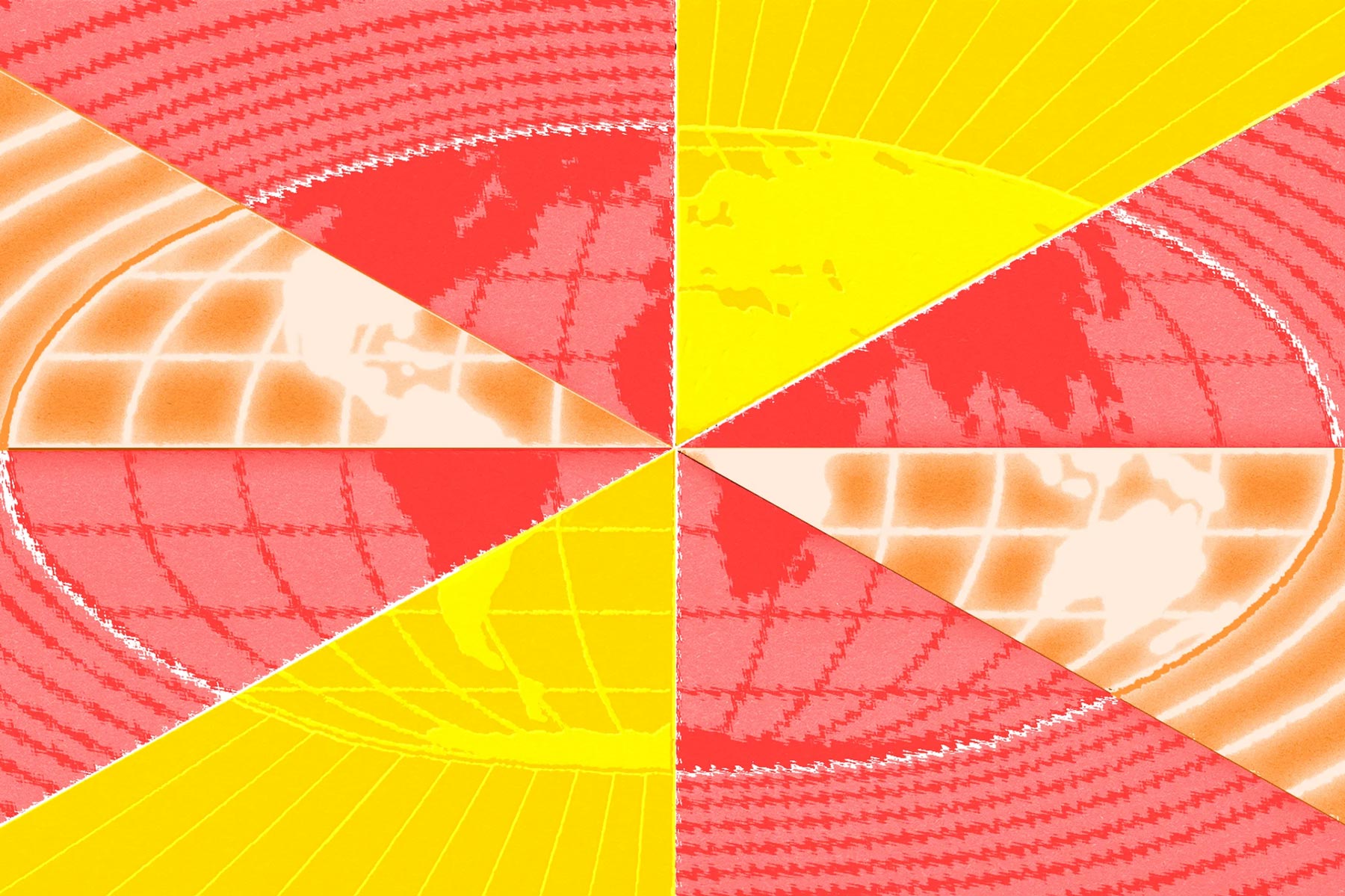
Why so much is going wrong at the same time
Lots of things are going wrong. Does that make it a polycrisis?
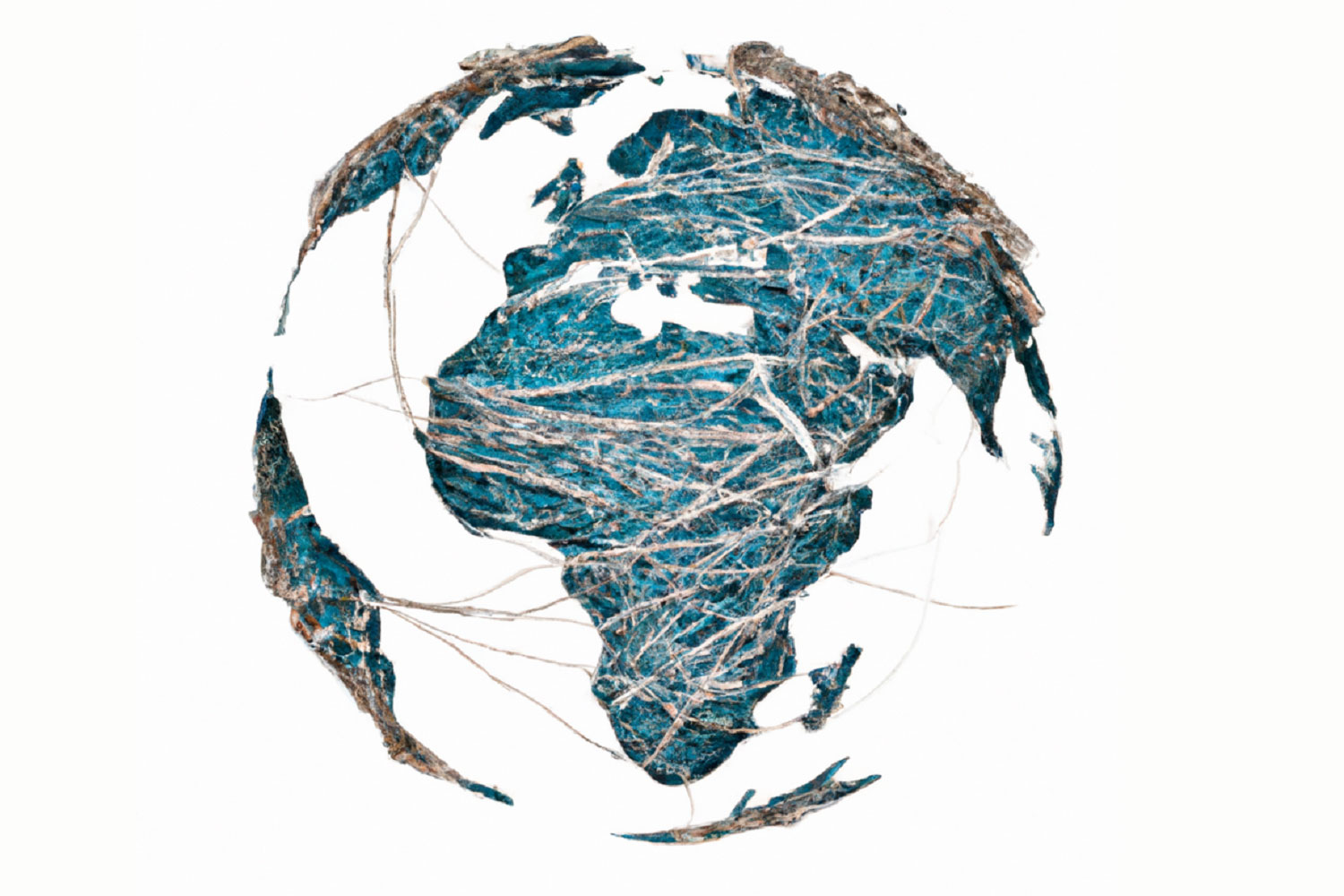
Global polycrisis: The causal mechanisms of crisis entanglement
with Michael Lawrence, Scott Janzwood, Johan Rockström, Ortwin Renn, and Jonathan F. Donges | Multiple global crises have recently linked together in ways that are significant in scope, devastating in effect, but poorly understood.
No . . . I did not say wind energy is ‘Idiot Power’
A poster widely circulated on the web highlights text that was purportedly written by me saying that wind power inevitably suffers an energetic deficit. The poster is fraudulent.
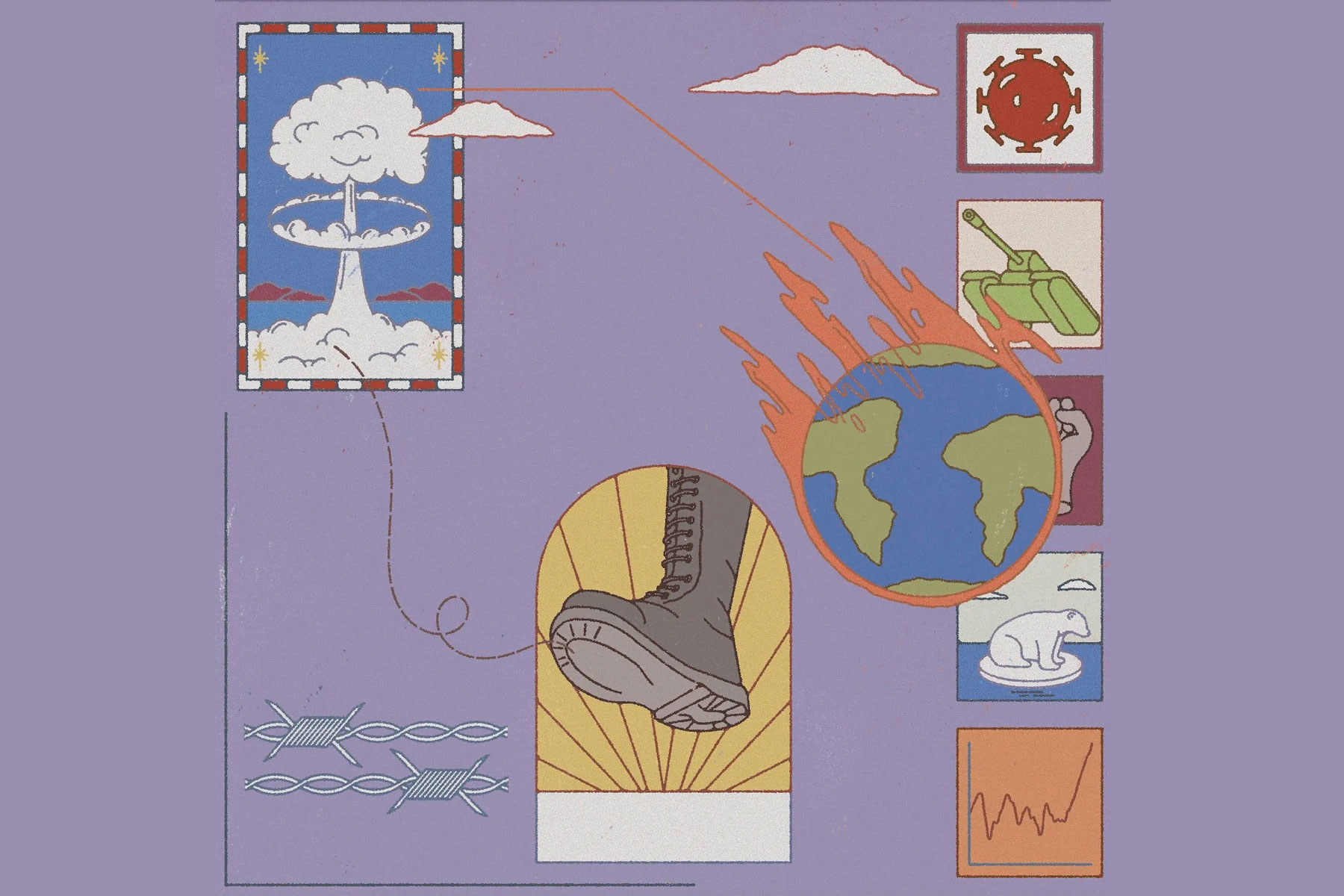
What Happens When a Cascade of Crises Collide?
with Johan Rockström | Humanity faces a complex knot of seemingly distinct but entangled crises that are causing damage greater than the sum of their individual harms.
Putin isn’t bluffing about using nuclear weapons in Ukraine
Russian President Vladimir Putin is forcing the West to play a dangerous game of chicken, and he’s about to throw his steering wheel out the window.
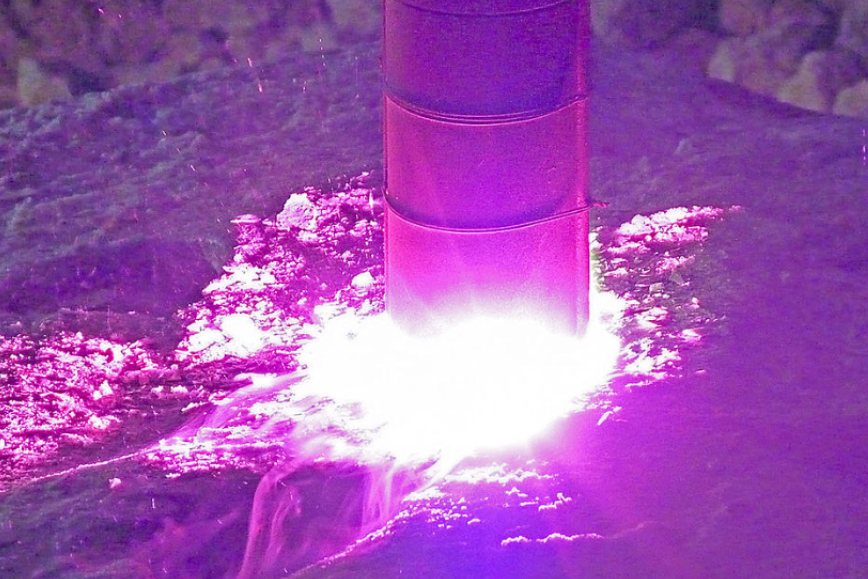
A big bet on geothermal could help prevent a climate catastrophe
Directly under our feet, there’s enough heat emanating from the planet’s core to satisfy humanity’s future zero-carbon electricity needs thousands of times over.
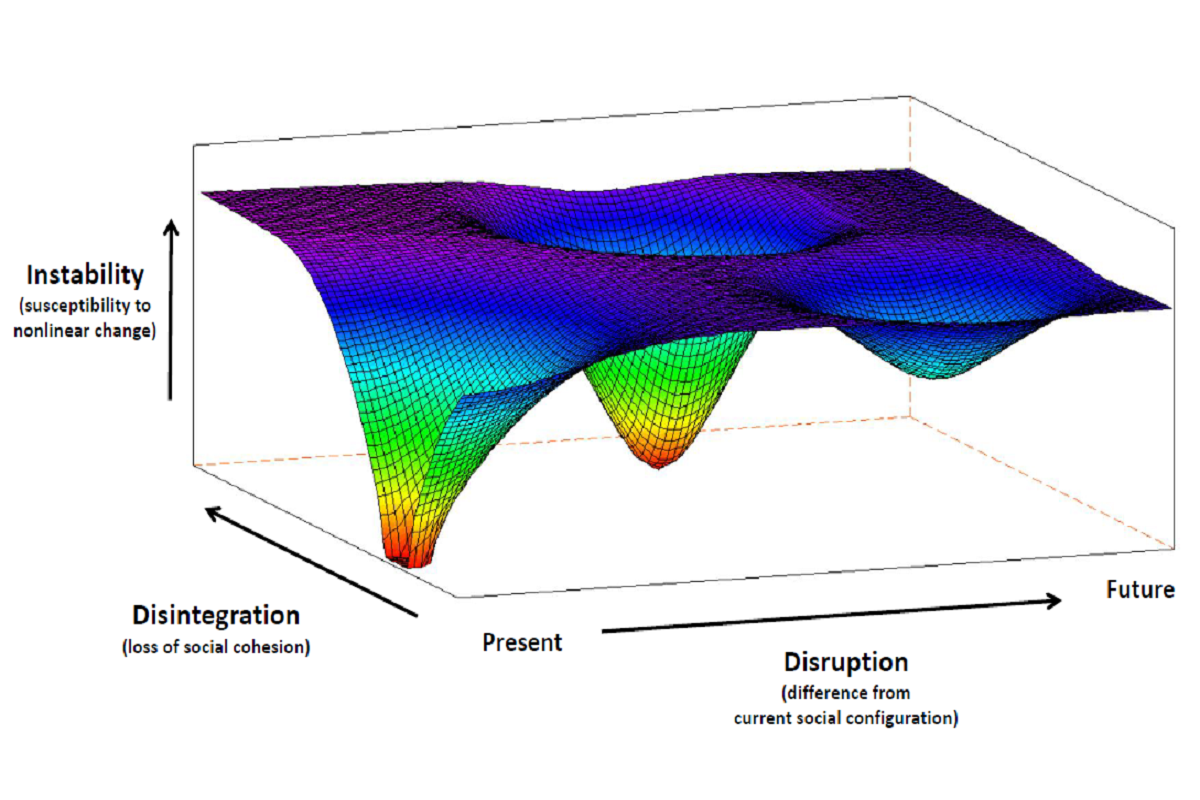
Getting to Enough: How we’ll solve the dilemma that’s destroying our world
Avoiding Mad Max and finding a path to a positive future
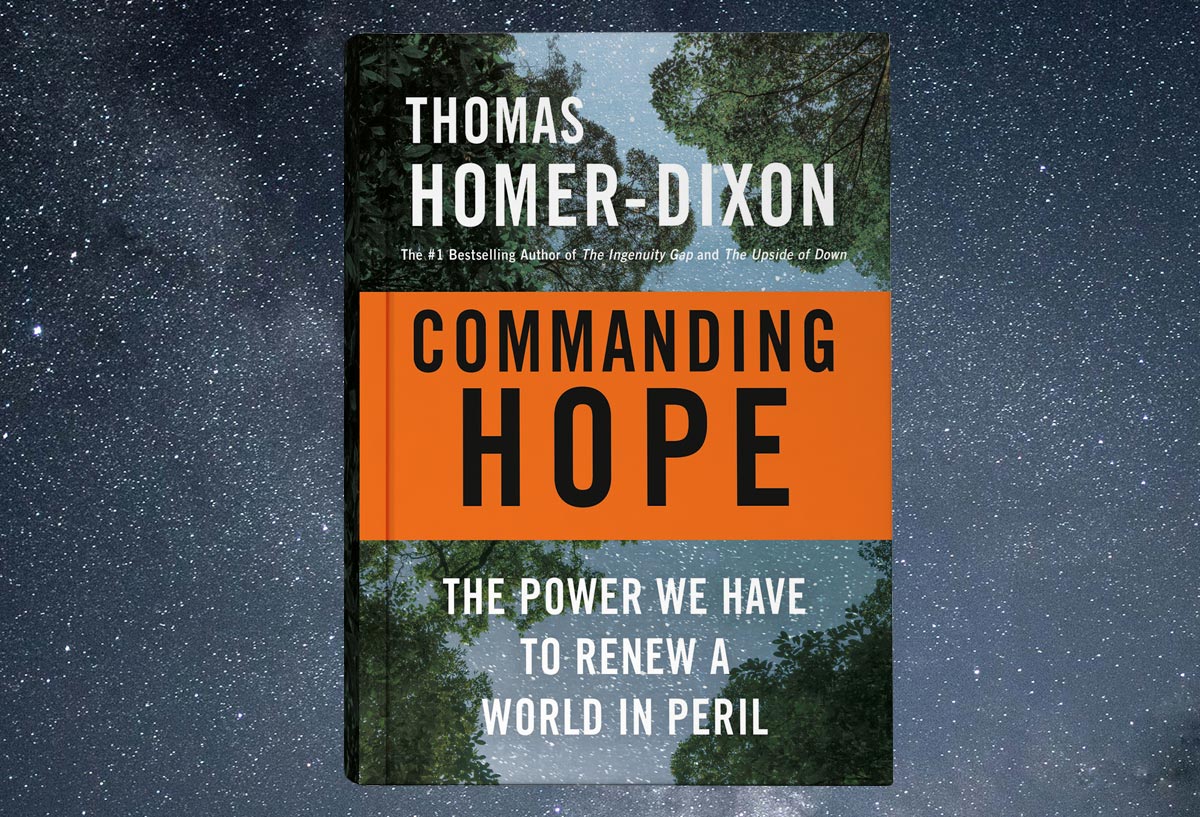
There May Yet Be Hope
by Arno Kopecky | A review of Commanding Hope by the Literary Review of Canada
Climate Change and Violent Conflict: Reflections after 30 years
Presentation to a conference on Climate Change & (In)Security: Trends, Lessons, Challenges. University of Oxford; CHACR, UK Army
WHAT’S NEW
Why so much is going wrong at the same time
Lots of things are going wrong. Does that make it a polycrisis?
Global polycrisis: The causal mechanisms of crisis entanglement
with Michael Lawrence, Scott Janzwood, Johan Rockström, Ortwin Renn, and Jonathan F. Donges | Multiple global crises have recently linked together in ways that are significant in scope, devastating in effect, but poorly understood.
No . . . I did not say wind energy is ‘Idiot Power’
A poster widely circulated on the web highlights text that was purportedly written by me saying that wind power inevitably suffers an energetic deficit. The poster is fraudulent.
RESEARCH
I’m the Founder and Director of The Cascade Institute, a Canadian research centre addressing the full range of humanity’s converging environmental, economic, political, technological, and health crises. Using advanced methods for mapping and modeling complex global systems, Institute researchers identify and help implement high-leverage interventions that could rapidly shift humanity’s course towards fair and sustainable prosperity.
Synchronous Failure: The Emerging Causal Architecture of Global Crisis
by Thomas Homer-Dixon et al. | Recent global crises reveal an emerging pattern of causation that could increasingly characterize the birth and progress of future global crises. A conceptual framework identifies this pattern’s deep causes, intermediate processes, and ultimate outcomes.
The Conceptual Structure of Social Disputes: Cognitive-Affective Maps as a Tool for Conflict Analysis and Resolution
Thomas Homer-Dixon et al. | We describe and illustrate a new method of graphically diagramming disputants’ points of view called cognitive-affective mapping (CAM).