
About Thomas Homer-Dixon
I am an author, social scientist, and Executive Director of the Cascade Institute. I use complexity science to understand better the diverse threats facing humankind and how they might be addressed.
“One of the best-informed and most brilliant writers on global affairs today.”
The Guardian

Sorry, we couldn't find any posts. Please try a different search.
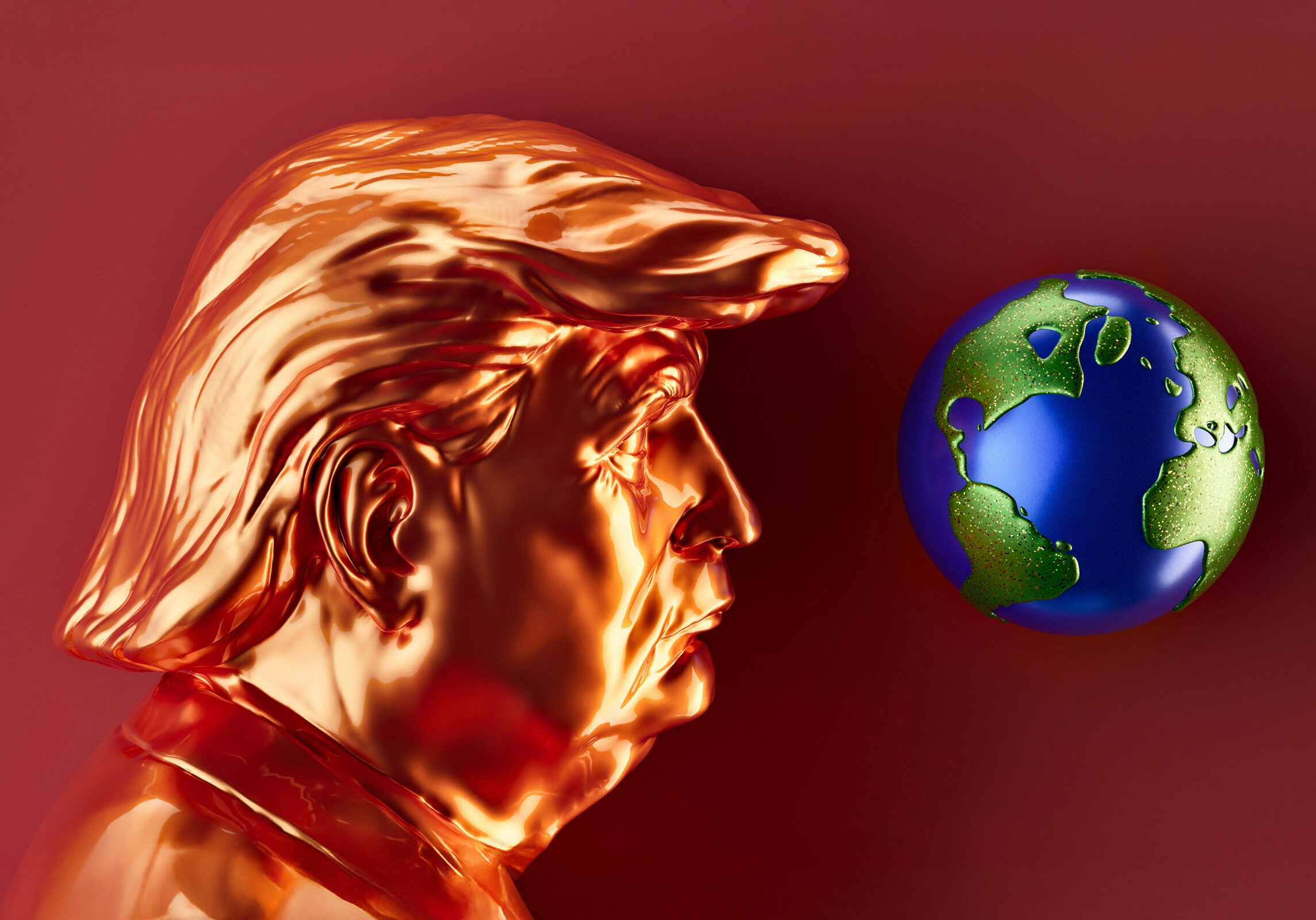
with Jack Goldstone | Domestic disorder could become severe and widespread enough to allow Mr. Trump to claim authority under either the National Emergencies Act or the Insurrection Act to issue executive orders to deploy troops or suspend basic rights.
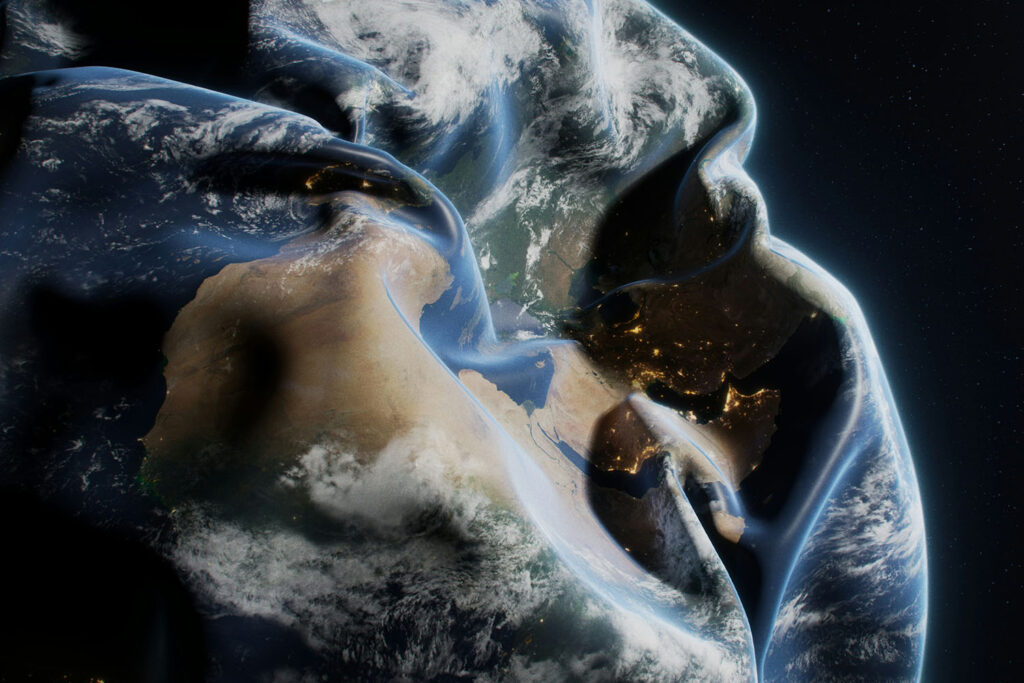
Why so much is going wrong at the same time
Lots of things are going wrong. Does that make it a polycrisis?

States of Emergency
By 2025, American democracy could collapse, causing extreme domestic political instability, including widespread civil violence. By 2030, if not sooner, the country could be governed by a right-wing dictatorship. How should Canada prepare?

If you want peace, prepare for war – an ancient lesson Canada must remember
Thomas Homer-Dixon warns Canadians to prepare for the possibility that Mr. Trump may make demands for territory, backed by the threat of military force.
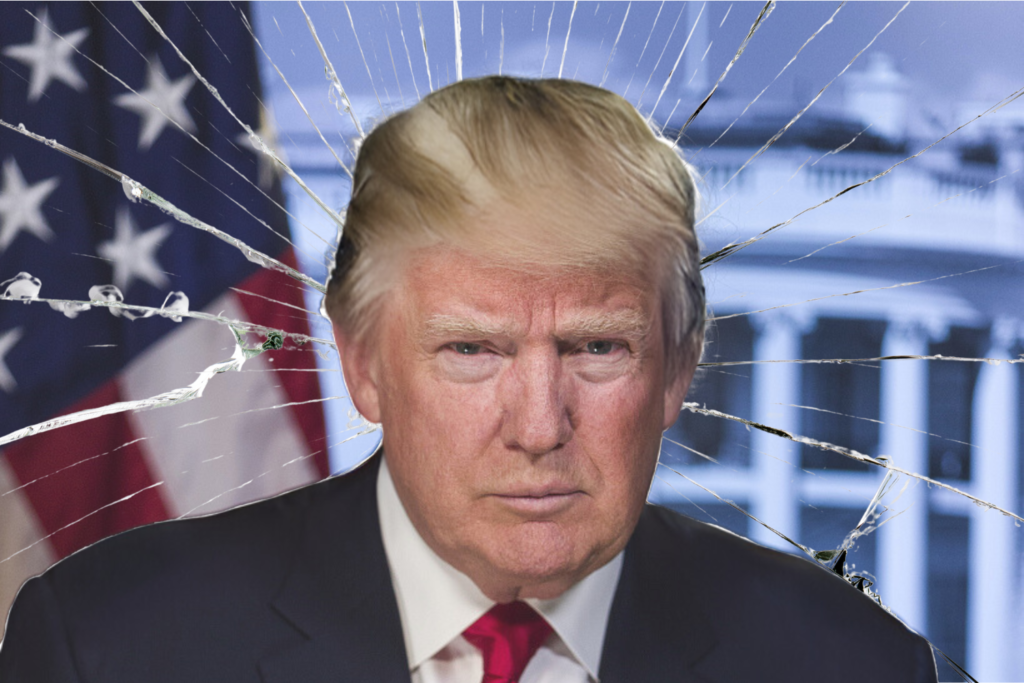
Trump redux: Why the returning president is likely to become one of history’s most consequential figures
Thomas Homer-Dixon warns that as “reconfigurer-in-chief,” Donald Trump will be, in philosopher Georg Hegel’s terms, a world-historical figure.

I’m the Founder and Director of The Cascade Institute, a Canadian research centre addressing the full range of humanity’s converging environmental, economic, political, technological, and health crises. Using advanced methods for mapping and modeling complex global systems, Institute researchers identify and help implement high-leverage interventions that could rapidly shift humanity’s course towards fair and sustainable prosperity.
Recent Research
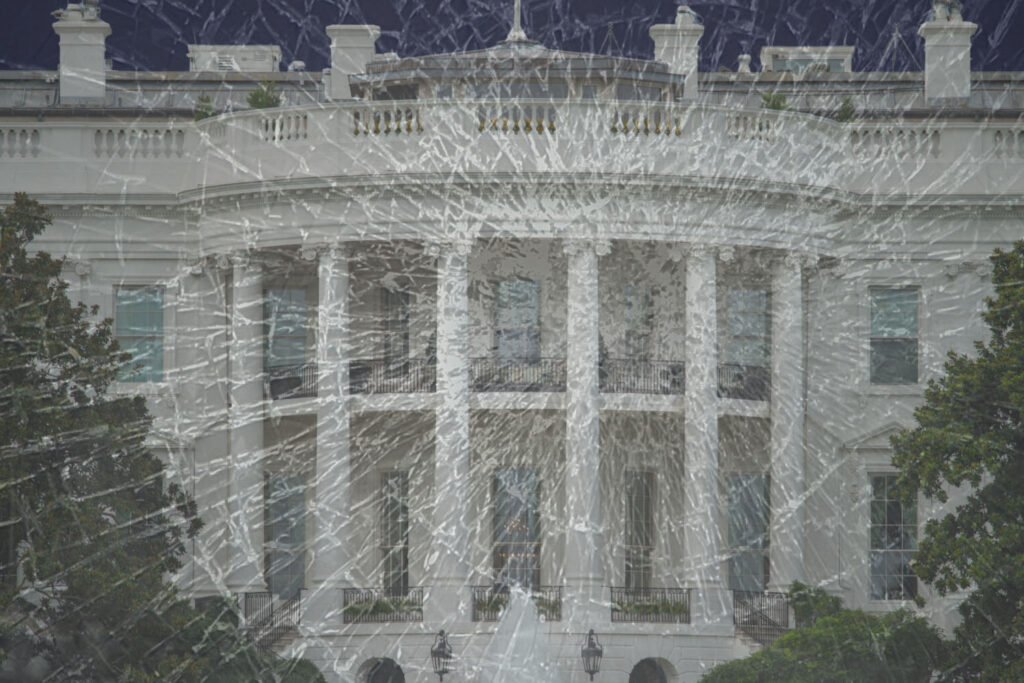
Impact 2024: How Donald Trump’s Reelection Could Amplify Global Inter-systemic Risk
The report precisely assesses how a second Trump administration could supercharge global economic, geopolitical, environmental, and pandemic risks and how those risks could then combine to escalate the world’s already severe polycrisis.
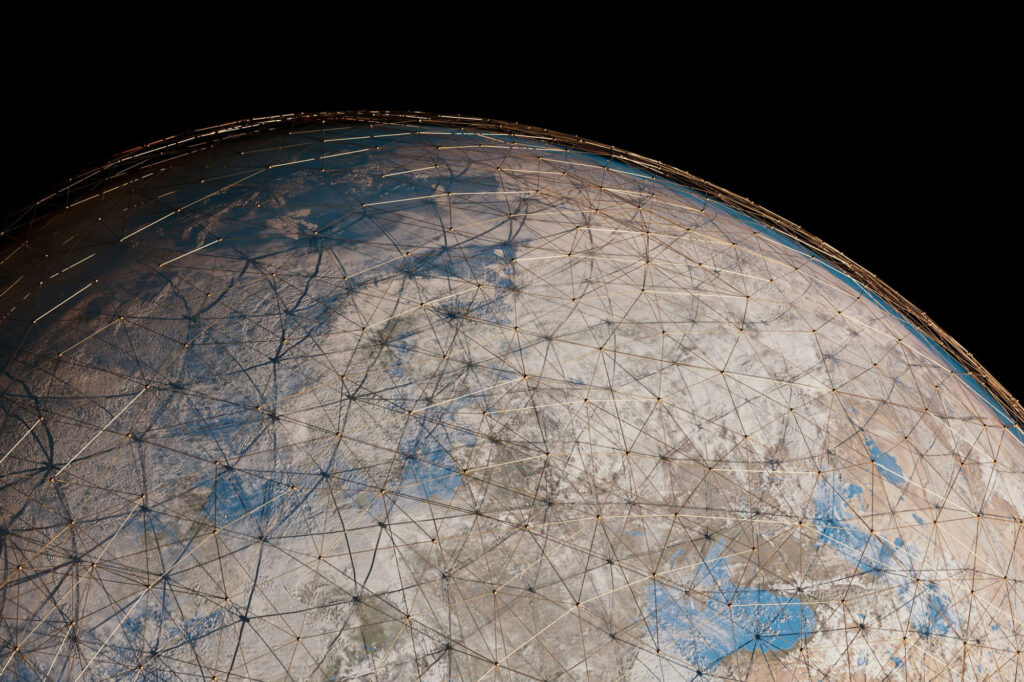
Global polycrisis: The causal mechanisms of crisis entanglement
Multiple global crises have recently linked together in ways that are significant in scope, devastating in effect, but poorly understood.

Synchronous Failure: The Emerging Causal Architecture of Global Crisis
Recent global crises reveal an emerging pattern of causation that could increasingly characterize the birth and progress of future global crises. A conceptual framework identifies this pattern’s deep causes, intermediate processes, and ultimate outcomes.

The Conceptual Structure of Social Disputes: Cognitive-Affective Maps as a Tool for Conflict Analysis and Resolution
Thomas Homer-Dixon et al. | We describe and illustrate a new method of graphically diagramming disputants’ points of view called cognitive-affective mapping (CAM).

Consider the Global Impacts of Oil Pipelines
Wendy Palen, Thomas Homer-Dixon, et al. | As scientists spanning diverse disciplines, we urge North American leaders to take a step back: no new oil-sands projects should move forward unless developments are consistent with national and international commitments to reducing carbon pollution.

A Complex Systems Approach to the Study of Ideology: Cognitive-affective Structures and the Dynamics of Belief Change
Thomas Homer-Dixon et al. | We propose a complex systems approach to the study of political belief systems, to overcome some of the fragmentation in the current scholarship on ideology.